
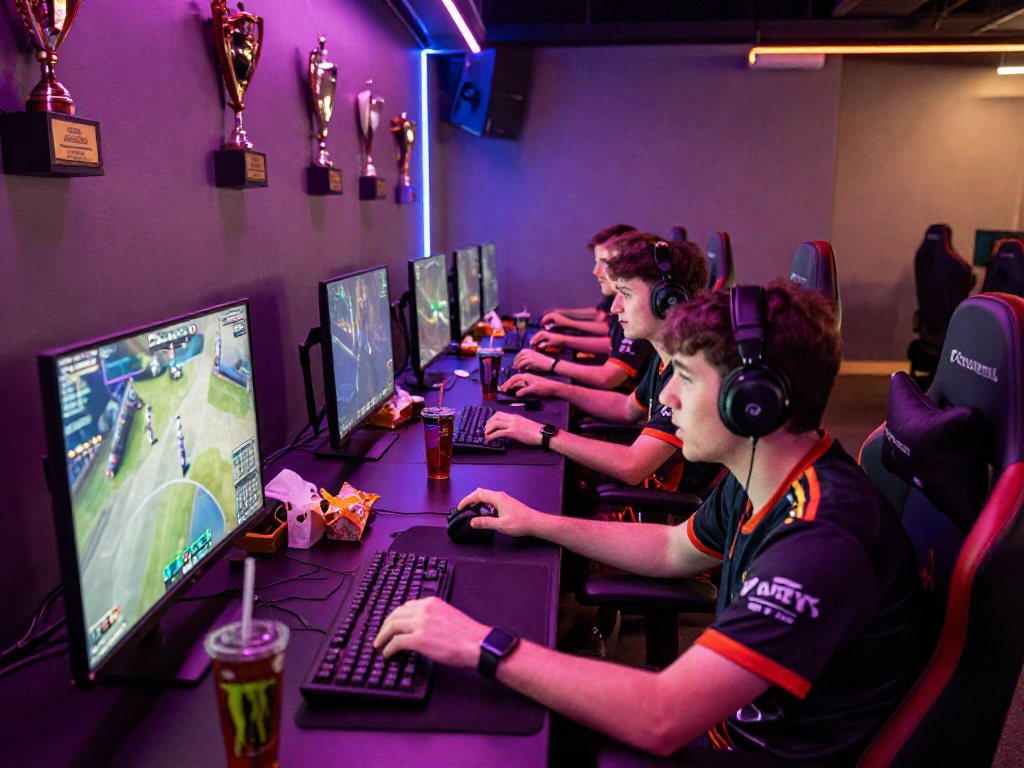
The Rise of Competitive Gaming in 2026
The landscape of competitive gaming, or esports, has dramatically transformed in recent years, with projections for 2026 indicating unprecedented growth and mainstream acceptance. With the increase in participation and viewership, competitive gaming has cemented its place as a significant pillar of modern entertainment. In this article, we will delve into the nuances of this thriving industry, the technological advancements propelling it forward, and the unique aspects that make platforms like http://oxbet-app.com pivotal for gamers.
Understanding the Esports Phenomenon
Esports encompasses organized, multiplayer video game competitions, often between professional players, individually or as teams. It has evolved from casual play to a structured environment, featuring leagues, tournament circuits, and associated fanbases. The massive rise in esports has been largely fueled by advances in technology, widespread internet access, and a cultural shift that views gaming as a legitimate form of competition and entertainment.
Key Statistics on Growth and Audience Engagement
As of 2026, the esports audience continues to expand rapidly. Recent studies suggest that over 500 million people worldwide will watch esports events. Of these viewers, a significant percentage engages actively with the content, participating through live chats, social media, and dedicated forums. Furthermore, the average revenue generated from esports is projected to exceed $1.5 billion, a testament to the lucrative opportunities present in the industry.
Technological Innovations Driving the Industry Forward
Technological advancements have played a critical role in enhancing the esports experience. High-definition streaming technology, virtual reality (VR) gaming, and sophisticated analytics tools are just a few innovations that have improved both player performance and viewer engagement. Furthermore, blockchain technology is increasingly being utilized for secure transactions within the gaming ecosystem, ensuring safe betting and investment opportunities in esports.
Why Gamers Prefer Online Platforms like http://oxbet-app.com
As the online gaming sector flourishes, platforms aimed at providing gamers with unique experiences have emerged. Players are increasingly gravitating towards sites like http://oxbet-app.com due to their user-centric designs and robust feature sets.
User Experience and Interface Expectations
A seamless user interface is paramount for online gaming platforms. Gamers expect easy navigation, quick load times, and intuitive layout that allows them to focus on gameplay rather than figuring out the platform. Leading platforms prioritize user experience by integrating gamified elements, ensuring that players enjoy every moment spent online.
Accessibility and Convenience of Online Gaming
The convenience of accessing games from anywhere at any time has revolutionized the gaming experience. Online platforms enable users to play competitively without the need for physical presence, allowing for greater participation. Mobile gaming, in particular, has surged, with players frequently engaging in esports via their smartphones and tablets.
Community and Social Interaction Features
Online gaming platforms have recognized the importance of building communities around their offerings. Features such as chat functions, forums, and social media integration facilitate interaction among gamers, fostering a sense of belonging and engagement. These social features enhance the gaming experience, as players can share strategies, celebrate achievements, and form teams, further embedding themselves in the esports culture.
Challenges Facing the Competitive Gaming Industry
Despite its flourishing growth, the esports industry is not without challenges. Stakeholders must navigate various issues to ensure its sustainability and continued acceptance.
Addressing Toxicity and Inclusivity in Gaming
Toxic behavior has been a longstanding issue in gaming communities, often leading to discouragement and exclusion of potential players. Addressing toxicity through stringent community guidelines and fostering inclusive environments is crucial for the growth of competitive gaming. Initiatives encouraging positive interactions and educating players on the impact of their behavior are essential steps in nurturing a welcoming atmosphere.
Regulatory and Legal Issues in Esports
The regulatory landscape for esports is still in its infancy. As the industry grows, so does the need for clarity on legal matters, ranging from player contracts to intellectual property rights. Ensuring that regulations keep pace with the rapid evolution of the industry will be vital for its legitimacy and success.
Balancing Professionalism and Entertainment Value
Esports must strike a balance between maintaining professional standards and retaining the entertainment factor that attracts viewers. As top-tier competitions evolve, they face pressure to uphold high-level performances while catering to the entertainment preferences of audiences. Finding ways to maintain this balance is crucial for the future of esports.
Best Practices for Engaging Online Gamers
As the competitive gaming industry matures, understanding what keeps gamers engaged becomes increasingly important. Here are some best practices that can help platforms thrive.
Creating Interactive and Rewarding Gaming Experiences
Gamers desire interactive experiences that stimulate engagement. Implementing reward systems, such as in-game achievements, exclusive content, or tournaments with tangible prizes, can encourage players to remain active. Acknowledging individual player journeys through personalized feedback and rewards fosters loyalty and enhances player satisfaction.
Implementing Effective Marketing Strategies
Marketing in the esports realm requires creativity and a deep understanding of the audience. Engaging promotions, influencer partnerships, and collaborations with popular streamers can boost visibility and attract new users. Additionally, targeted campaigns that highlight community involvement and player success stories can resonate well within the gaming community.
Leveraging Analytics for Continuous Improvement
Data analytics has revolutionized how gaming platforms understand player behavior. By employing analytical tools, companies can gain insights into user preferences, gameplay patterns, and trends. These insights allow for continuous refinement of offerings and ensure that platforms remain in tune with player needs.
The Future of Competitive Gaming: Predictions for 2027 and Beyond
As the esports landscape continues to evolve, numerous trends and transformations are expected to shape its trajectory in the coming years.
Emerging Trends and Technologies
The integration of artificial intelligence (AI) in game design and player interaction is one of the most notable trends. AI-driven algorithms can create dynamic game environments tailored to individual player styles, enhancing the overall experience. Additionally, augmented reality (AR) will likely play a significant role in shaping immersive gaming experiences.
Potential Transformations in Player Dynamics
As esports gain legitimacy, the dynamics within teams and among players are expected to shift. Professionalism will rise, with gamers acting as brand ambassadors, and emphasis will be placed on mental and physical health. Support systems tailored to the unique stresses of competitive play will become a priority for both players and organizations.
How Brands Can Adapt to Stay Relevant
For brands looking to engage with the esports community, authenticity is key. Establishing genuine connections with gamers and respecting their culture will enhance brand loyalty. Brands must continuously innovate their strategies to align with changes in player interests and esports trends to maintain relevance in this fast-paced environment.
What is the impact of streaming on esports?
Streaming has transformed the way esports is consumed, creating an ecosystem that allows fans to connect with their favorite players in real-time. Platforms like Twitch and YouTube Gaming have ushered in a new era where content creators can interact with viewers, providing insights into gameplay and personal lives. This interaction not only enhances viewer engagement but also opens new revenue streams for players through subscriptions and donations.
How can players monetize their gaming streams?
Monetization avenues for gamers have rapidly diversified, ranging from ad revenue and sponsorships to merchandise sales. Building a personal brand through streaming can attract sponsorship deals, while platforms often provide revenue-sharing models based on viewer interactions. Additionally, creating exclusive content for fans, such as tutorials or behind-the-scenes footage, offers another layer of monetization.
What tools are essential for aspiring esports professionals?
For those looking to carve a niche in the esports world, certain tools are invaluable. High-quality gaming equipment, including headsets, mice, and ergonomic chairs, are crucial for optimal performance. Furthermore, familiarizing oneself with streaming software, video editing tools, and analytics platforms can significantly enhance a player's ability to connect with an audience and improve their gaming skills.
Are there risks to mental health in competitive gaming?
As competitive gaming gains traction, the mental health implications are coming to the forefront. Issues such as burnout, anxiety, and depression are prevalent in the high-pressure environment of esports. It's vital for players to prioritize mental wellness, seeking professional help when necessary, and organizations should cultivate supportive environments that promote mental health awareness.
What skills are essential for success in esports?
Success in esports hinges on various skills beyond just technical gaming proficiency. Critical thinking, teamwork, and communication abilities are essential for navigating competitive environments. Moreover, adaptability and resilience are crucial traits, as players must constantly adjust strategies and cope with defeats as they work towards their goals in the dynamic world of esports.